
tinted glass design
Understanding Different Types of Stainers in Scientific Research Stainers are vital tools in various scientific fields, notably histology, microbiology, and molecular biology. They are used to apply specific dyes or chemicals to samples, enhancing contrast and enabling researchers to visualize the components of cells and tissues under a microscope. There are various types of stainers, each serving unique purposes and offering specific advantages. 1. Histological Stainers Histological stainers are primarily used in the preparation of tissue samples for microscopic examination. Commonly employed in pathology labs, these stainers allow for the identification of structural components within tissues. One of the most widely used histological stains is Hematoxylin and Eosin (H&E), which highlights cellular nuclei and cytoplasm, respectively. Hematoxylin stains nuclei blue, while eosin stains the cytoplasm pink. This combination provides a clear contrast, making it easier to examine cell morphology and detect abnormalities, such as tumors. 2. Microbial Stainers In microbiology, stainers play a critical role in identifying and classifying microorganisms. Gram staining is one of the most common techniques, differentiating bacteria into two groups Gram-positive and Gram-negative. This process involves applying crystal violet, iodine, decolorizing agents, and safranin to bacterial samples. The universal nature of Gram staining aids in diagnosing bacterial infections and guides the choice of antibiotics. Other microbial stainers include Methylene Blue and Ziehl-Neelsen for identifying specific types of bacteria, such as Mycobacterium tuberculosis in acid-fast bacillus staining. 3 . Immunohistochemical Stainers type of stainer Immunohistochemistry (IHC) is a powerful technique used to detect specific proteins in tissue sections. Stainers in this context use antibodies that bind to target antigens, enabling researchers to assess the presence and distribution of proteins related to disease processes. For instance, IHC is instrumental in identifying biomarkers associated with cancer, helping pathologists make more accurate diagnoses. The visualization typically involves chromogenic or fluorescent stainers, which provide distinct signals that can be quantified under photomicroscopy. 4. Fluorescent Stainers Fluorescent stainers, such as DAPI or GFP, are essential in cellular biology and genetics. These stainers emit light when excited by specific wavelengths, allowing for highly sensitive detection of cellular components. DAPI binds to DNA and fluoresces blue, making it useful for visualizing nuclei, while GFP (Green Fluorescent Protein) is genetically encoded, allowing researchers to label and track specific proteins within live cells. The flexibility of fluorescent stainers has revolutionized cellular imaging, providing insights into dynamic biological processes. 5. Special Stains Special stains are tailored for specific cellular components, enabling detailed studies of particular structures. For example, Masson's trichrome stain differentiates collagen from muscle fibers, while Periodic acid-Schiff (PAS) stain highlights carbohydrates in tissues. These specialized techniques are critical in various medical and research applications, from diagnosing liver diseases to studying connective tissue disorders. Conclusion The various types of stainers play a crucial role in enhancing our understanding of biological samples. From histological and microbial applications to advanced immunohistochemistry and fluorescent microscopy, these tools are indispensable in modern scientific research. As techniques evolve, the development of new stainers will continue to advance our ability to visualize and comprehend the intricate details of cells and tissues, ultimately leading to significant advancements in medical diagnosis and treatment. Understanding the nuances of different stainers will empower researchers and clinicians alike, enhancing the quality and accuracy of scientific inquiry.
about
tinted glass design
Exploring the Butterfly Valve Company A Key Player in Fluid Control Technology In the world of industrial manufacturing and fluid control systems, the butterfly valve is a critical component that ensures efficient flow regulation and isolation. Companies specializing in butterfly valves have carved out a significant niche in this sector, offering innovative solutions tailored to diverse applications, from water treatment facilities to oil and gas industries. A butterfly valve operates using a simple mechanism a rotating disc, which is positioned in the center of the valve body. When the valve is opened, the disc rotates to allow fluid to flow through, and when closed, the disc rests against a seat, preventing flow. This design results in rapid operation and minimal pressure drop, making butterfly valves an excellent choice for many applications where space and weight are concerns. An essential aspect of a successful butterfly valve company lies in the material selection and design innovations . High-quality manufacturers use materials such as stainless steel, plastic, and cast iron, which are selected based on the specific demands of the application and the nature of the fluid being controlled. Furthermore, advancements in technology have allowed companies to develop butterfly valves with increased durability and resistance to harsh environmental conditions, thus prolonging their lifespan. butterfly valve company Customer service and technical support are also pivotal elements of a thriving butterfly valve company. Understanding clients' unique operational needs enables these companies to recommend the most suitable products and provide exemplary post-sale service. Comprehensive technical documentation and access to knowledgeable staff help customers feel confident in their purchases and support efficient installation and maintenance. Moreover, sustainability is becoming a significant focus in the butterfly valve manufacturing industry. Many companies are adopting eco-friendly practices, aiming to reduce carbon footprints through more efficient production processes and the promotion of recyclable materials. These efforts align with the growing demand for sustainable industrial solutions, reflecting a commitment to environmental stewardship. In conclusion, the butterfly valve company represents not just a critical supplier in fluid control technology, but also a collaborative partner in enhancing operational efficiency across various industries. Ongoing innovations in product design, a commitment to customer satisfaction, and a focus on sustainability are positioning these companies at the forefront of modern industrial practices. As industries continue to evolve, the significance of reliable and efficient butterfly valves will only increase, highlighting the essential role these companies play in facilitating smoother operations and greater resource management in our ever-demanding world.
-

High quality industrial productsagement

High quality industrial products
View Details -

Meet the diverse needs of customers

Meet the diverse needs of customers
View Details -

Strict quality control

Strict quality control
View Details -

Top raw materials

Top raw materials
View Details -

Trusted supplier

Trusted supplier
View Details
Our application


news and information
valve china
Valve Corporation, a name synonymous with gaming excellence and innovation, has strategically establ
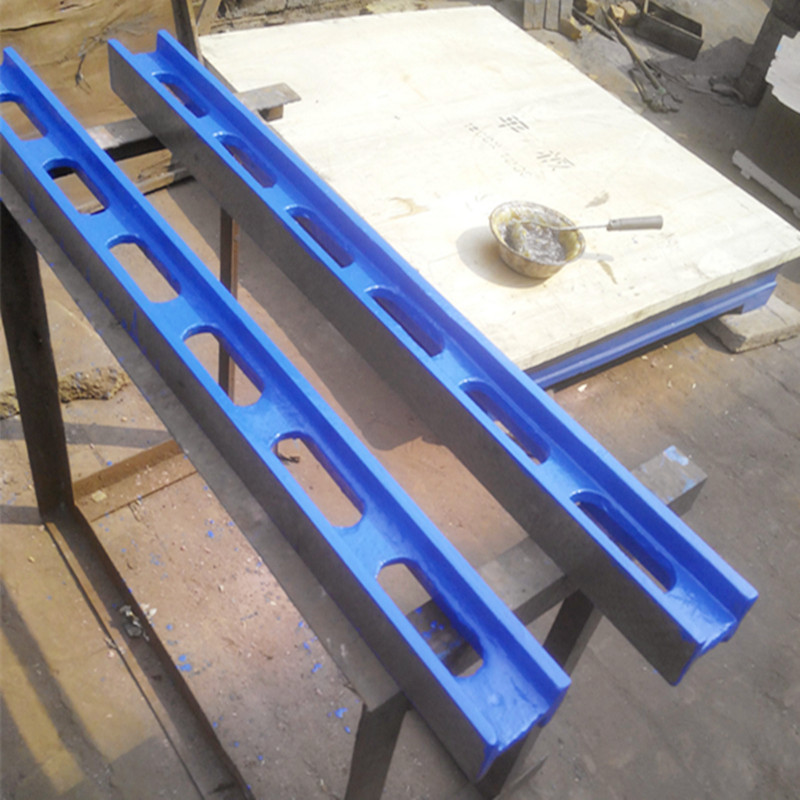
Versatile Welding Table for Efficient Workbench Solutions
The Importance of Welding Tables in Workshop Design Welding is an essential skill in various industr
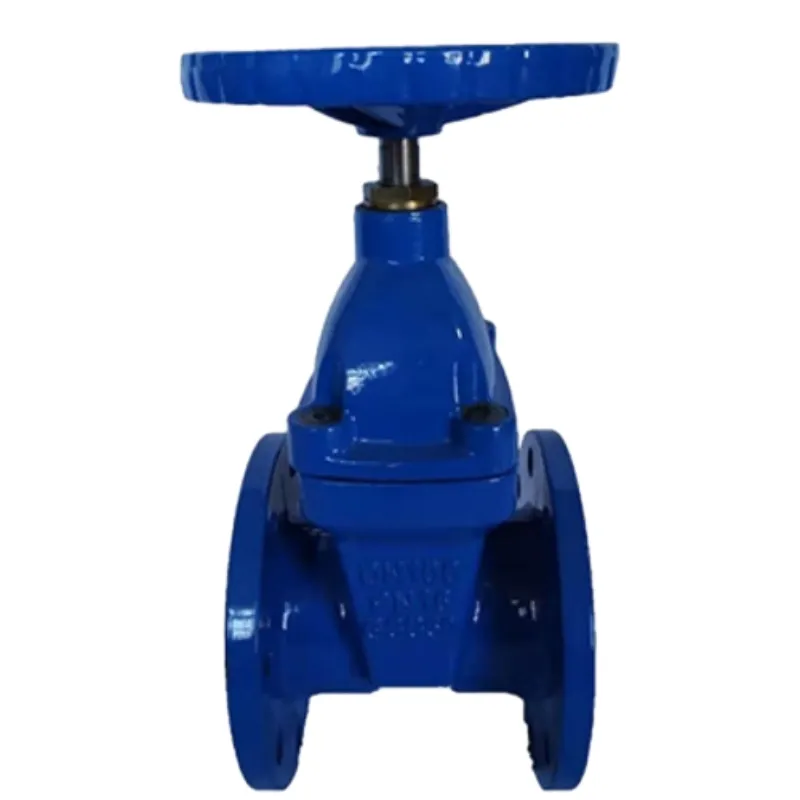
Y Shaped Strainer for Efficient Filtration and Fluid Management Solutions
Understanding Y-Shaped Strainers Essential Components in Fluid Systems In various industrial and com
 English